
The Definitive Guide to Booking Non-Surgical Aesthetic Treatments
.jpg)
Non-surgical aesthetic treatments are no longer the "starter option" people squeeze in before lunch. They're a $12.19 billion global market, according to Fortune Business Insights, and the AAFPRS 2025 Annual Survey reports that non-invasive treatments now account for 80% of all procedures performed by its members. Neurotoxins (like Botox) and dermal fillers lead the pack.
But here's the thing: a booming market also means more clinics, more confusing options, and more pressure to book before you've done your homework. This guide walks you through the most popular non-surgical treatments, how to choose the right one for your goals, what to look for in a qualified provider, and how to plan treatments around your actual life, including travel, seasons, and recovery.
The Non-Surgical Treatments Worth Knowing About
Not all non-surgical treatments do the same thing, and understanding the differences saves you time (and money) in consultations. Here's a breakdown of the most popular options in 2026.
Injectables: Botox, dermal fillers, and lip fillers
Injectables dominate the non-surgical space. Grand View Research found that injectable procedures held a 79.04% share of the non-invasive aesthetic treatment market in 2025.
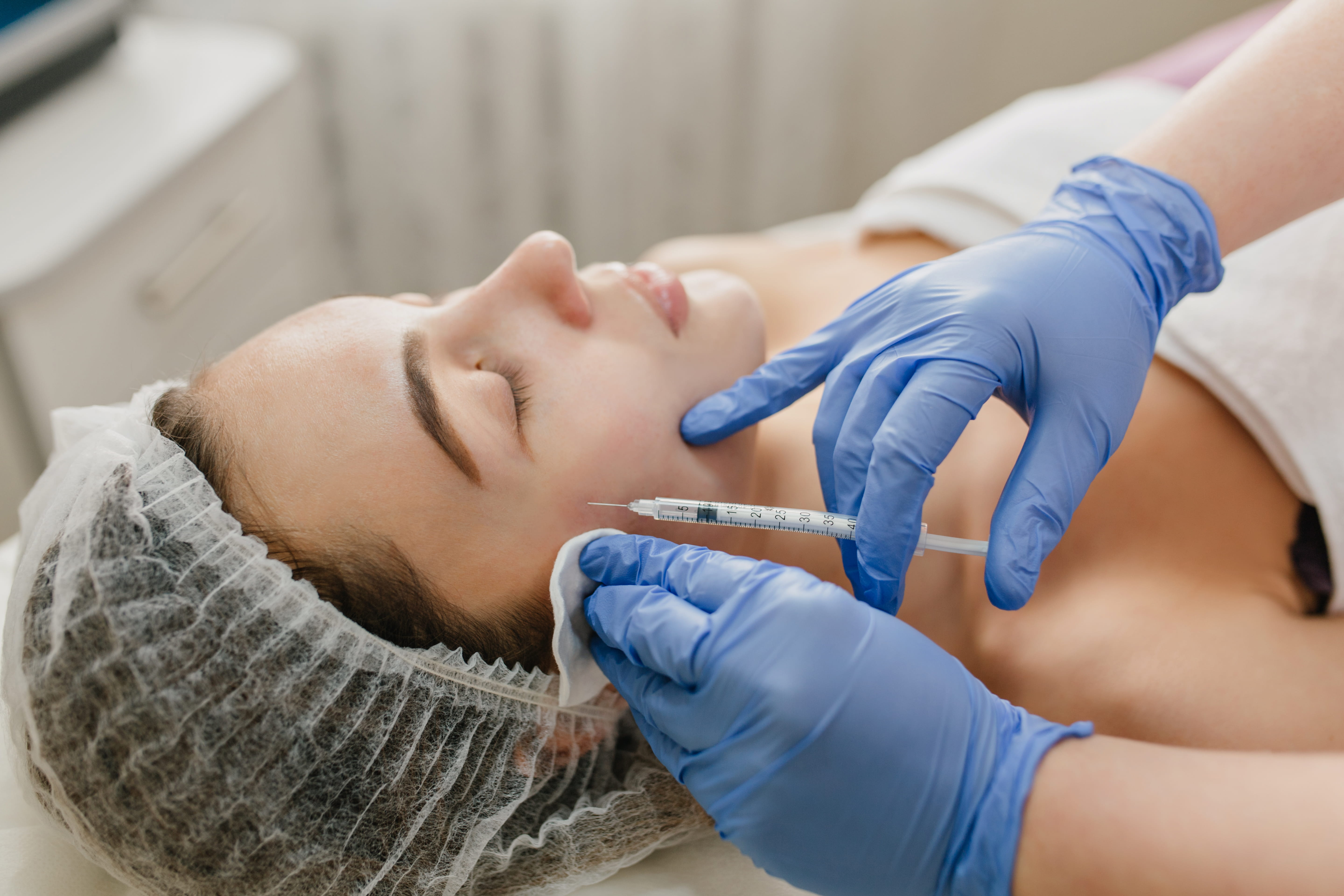
Botox (and other neurotoxins like Dysport and Xeomin) relaxes targeted facial muscles to smooth wrinkles. Think forehead lines, crow's feet, and the "11s" between your brows. Results typically last 3 to 4 months, and the treatment itself takes about 15 minutes. If you've wondered how Botox with a surgeon enhances your full experience, the short answer is precision and long-term planning.
Dermal fillers (hyaluronic acid-based products like Juvederm and Restylane) add volume where it's been lost. Cheeks, under-eyes, jawline, nasolabial folds. Results last anywhere from 6 to 18 months depending on the product and area treated. For a detailed comparison, check out this dermal fillers vs. Botox guide.
Lip fillers are technically a subset of dermal fillers, but they deserve their own callout because they're one of the most-searched treatments and one of the easiest to get wrong. A skilled injector is the difference between natural-looking volume and the overfilled look that makes people nervous about injectables in the first place. And yes, there are things to know about recovery after lip fillers before you plan any social events.
Skin treatments: chemical peels, microneedling, IPL photofacials, and laser treatments
These target skin texture, tone, and overall quality rather than volume or wrinkle relaxation.
- Chemical peels use controlled acid solutions to remove damaged outer layers of skin. Light peels require little downtime; medium and deep peels can involve several days of peeling and redness.
- Microneedling creates tiny punctures in the skin to trigger your body's natural collagen production. It's effective for fine lines, acne scars, and overall texture. Recovery is usually 2 to 3 days of redness.
- IPL photofacials (intense pulsed light) treat sun damage, redness, and uneven pigmentation using light energy. Sessions take about 30 minutes, and most people need 3 to 5 treatments spaced a few weeks apart.
- Laser treatments range from gentle (like Clear + Brilliant) to aggressive (like CO2 laser resurfacing). The more aggressive the laser, the longer the downtime, but also the more dramatic the results.
The right treatment depends on what you're actually trying to fix. A good provider won't push one option. They'll ask about your skin concerns, your timeline, and your tolerance for downtime.
Surgical vs. Non-Surgical: How to Decide
This isn't always an either/or question. Many patients start with non-surgical treatments and eventually add surgical procedures as their goals evolve. The AAFPRS 2025 survey notes that one in four surgeons predict GLP-1 medication use could lead to a spike in non-surgical treatments, suggesting more patients are entering the aesthetic pipeline through less invasive doors.
Here's a quick way to think about it:
If your main concerns are fine lines, early volume loss, or skin texture, non-surgical is probably your lane. You're looking at minimal downtime (think hours, maybe a few days), $200 to $2,000 per session, and repeat visits every 3 to 18 months to keep things looking fresh. The results build gradually, which a lot of people actually prefer. But if you're dealing with real sagging, structural changes, or volume loss that filler just can't keep up with, surgery starts to make more sense. Yes, it means 1 to 4+ weeks of recovery and a bigger price tag ($3,000 to $15,000+ per procedure), but the payoff is a more dramatic, long-lasting change you won't need to maintain every few months.
The honest answer? Non-surgical treatments work well for prevention and maintenance. But if you're dealing with excess skin, structural changes, or results that injectables can't achieve, surgery might be the better long-term investment. A consultation with a board-certified provider is the fastest way to figure out where you land.
.jpg)
What to Look for in a Qualified Medspa Provider
This is where people get into trouble. The medspa market is projected to reach $44.83 billion by 2032, which means new clinics are opening constantly. Not all of them are created equal.
Here's what to check before you book:
- Provider credentials: For injectables, look for board-certified dermatologists, plastic surgeons, or nurse practitioners supervised by a physician. "Board-certified" matters because it means the provider has completed specialty training and passed rigorous exams.
- Medical director oversight: Every medspa should have a licensed physician serving as medical director. If you can't find out who that person is, that's a red flag.
- Before-and-after photos: Ask for photos of actual patients, not stock images or manufacturer photos. Look for patients with similar skin tone, age, and concern to yours.
- Consultation quality: A good provider asks questions before recommending anything. If someone tries to sell you a treatment within 5 minutes of meeting you, walk out.
- Transparent pricing: You should know what you're paying before the needle touches your face. No surprise fees. No bait-and-switch from the advertised price.
If you've encountered common medspa myths (like the idea that all injectors are equally qualified), separating fact from fiction is the first step toward a safe experience.
Seasonal Skincare for Aesthetic Procedures
Timing your treatments with the calendar can improve your results and make recovery easier.
Fall and winter are ideal for more aggressive treatments. Chemical peels, laser resurfacing, and IPL photofacials all increase your skin's sensitivity to UV rays. Lower sun exposure in cooler months reduces your risk of post-treatment hyperpigmentation. This is why aestheticians call fall "laser season."
Spring works well for lighter treatments. Think gentle chemical peels, hydrating facials, and microneedling to prep your skin before summer sun exposure.
Summer is best for maintenance. Microneedling is one of the safer summer treatments because it's non-ablative (it doesn't remove the top layer of skin), but you still need to be diligent with sunscreen. Most dermatologists recommend postponing deep peels and aggressive laser treatments until the sun calms down.
Year-round treatments include Botox and dermal fillers. Injectables don't increase sun sensitivity, so you can schedule them whenever it fits your calendar.
The bottom line: if you're planning a combination of treatments, map them to the seasons and build in enough recovery time between sessions.
Lip Filler Recovery and Travel Tips
Traveling after non-surgical treatments is totally doable with a little planning. But rushing to the airport right after filler isn't ideal. Here's what to keep in mind:
Timing matters. Most providers recommend waiting at least 1 to 2 weeks before flying after lip fillers or dermal fillers. Changes in cabin pressure can increase swelling. For Botox, 24 to 48 hours is usually enough.
Plan your treatment at least 2 weeks before any trip if you want to look your best on arrival. Swelling from fillers typically resolves within 5 to 7 days, but final results can take up to 2 weeks to fully settle, according to the American Society of Plastic Surgeons.
In-flight care tips:
- Stay hydrated (cabin air is dry, and hydration helps healing)
- Bring a cold compress for any residual swelling
- Avoid alcohol for at least 24 hours after treatment (it can increase bruising)
- Apply SPF 30+ sunscreen if you'll be in the sun at your destination
If you're planning aesthetic treatments around travel, we put together a full guide to traveling for your cosmetic procedure that covers logistics from flights to aftercare. And for injectable-specific recovery, this recovery guide for injectables breaks down what to expect day by day.
How Bliss Fits Into Your Aesthetic Treatment Planning
Here's something most people don't realize: the skills that make a great surgical match also apply to non-surgical care. Evaluating credentials, understanding what treatments fit your goals, coordinating financing, and having someone in your corner who isn't trying to upsell you.
We connect you with board-certified surgeons through our SmartMatch process, which vets every provider for qualifications and experience. But the value goes beyond surgery. Many patients who start with non-surgical treatments eventually explore surgical options as their goals grow. Having a dedicated Care Advisor from the beginning means you're not starting from scratch when that happens.
What that looks like in practice:
- Match: We pair you with board-certified providers who align with your goals and location.
- Verify: Every surgeon in our network has been vetted for credentials and safety.
- Coordinate: Your Care Advisor helps with consultations, scheduling, financing, and logistics.
- Support: You get guidance at every step, from your first question to your final follow-up.
Whether you're booking your first round of Botox or thinking about a tummy tuck down the road, the process starts with understanding your options and finding the right provider. That's where we come in. Get matched with a board-certified provider today.
FAQs
How much do non-surgical aesthetic treatments cost?
- Costs vary by treatment and location. Botox typically runs $200 to $600 per session. Dermal fillers range from $500 to $2,000+ per syringe depending on the product. Chemical peels cost $150 to $800, and microneedling sessions run $200 to $700. IPL photofacials usually fall between $300 and $600 per session. Always ask for full pricing before your appointment.
How do I choose between Botox and fillers?
- They do different things. Botox relaxes muscles that cause wrinkles (best for forehead lines and crow's feet). Fillers add volume to areas that have lost it (cheeks, lips, nasolabial folds). Many patients get both. A qualified provider will recommend the right combination based on your specific concerns.
Is it safe to get aesthetic treatments at a medspa?
- It can be, as long as the medspa has proper medical oversight. Look for a licensed physician serving as medical director, board-certified or credentialed providers performing treatments, and transparent protocols for handling complications. Not all medspas meet this standard, which is why vetting matters.
How far in advance should I book treatments before an event?
- For Botox, book at least 2 weeks before your event (results take 3 to 7 days to fully kick in, and you want a buffer for any touch-ups). For fillers, 2 to 4 weeks gives swelling time to resolve. For chemical peels or laser treatments, 4 to 6 weeks is safer to allow full healing. Planning ahead avoids the stress of looking puffy at the party.
What's the best way to start if I've never had aesthetic treatments?
- Start with a consultation, not a treatment. A good provider will assess your skin, discuss your goals, and recommend a plan rather than pushing the most expensive option. If you want guidance before you even walk into a clinic, our Care Advisors can help you understand your options and connect you with a vetted provider. Start your journey here.
FEATURE OF THE WEEK
Subscribe for cosmetic insights.
Get the latest in aesthetic innovation, support, and self-love straight to your inbox.




Lorem ipsum dolor sit amet, consectetur adipiscing elit. Suspendisse varius enim in eros elementum tristique. Duis cursus, mi quis viverra ornare, eros dolor interdum nulla, ut commodo diam libero vitae erat. Aenean faucibus nibh et justo cursus id rutrum lorem imperdiet. Nunc ut sem vitae risus tristique posuere. uis cursus, mi quis viverra ornare, eros dolor interdum nulla, ut commodo diam libero vitae erat. Aenean faucibus nibh et justo cursus id rutrum lorem imperdiet. Nunc ut sem vitae risus tristique posuere.
DeleteLorem ipsum dolor sit amet, consectetur adipiscing elit. Suspendisse varius enim in eros elementum tristique. Duis cursus, mi quis viverra ornare, eros dolor interdum nulla, ut commodo diam libero vitae erat. Aenean faucibus nibh et justo cursus id rutrum lorem imperdiet. Nunc ut sem vitae risus tristique posuere. uis cursus, mi quis viverra ornare, eros dolor interdum nulla, ut commodo diam libero vitae erat. Aenean faucibus nibh et justo cursus id rutrum lorem imperdiet. Nunc ut sem vitae risus tristique posuere.
Delete