
The New Era of Non-Surgical Facial Rejuvenation in 2026
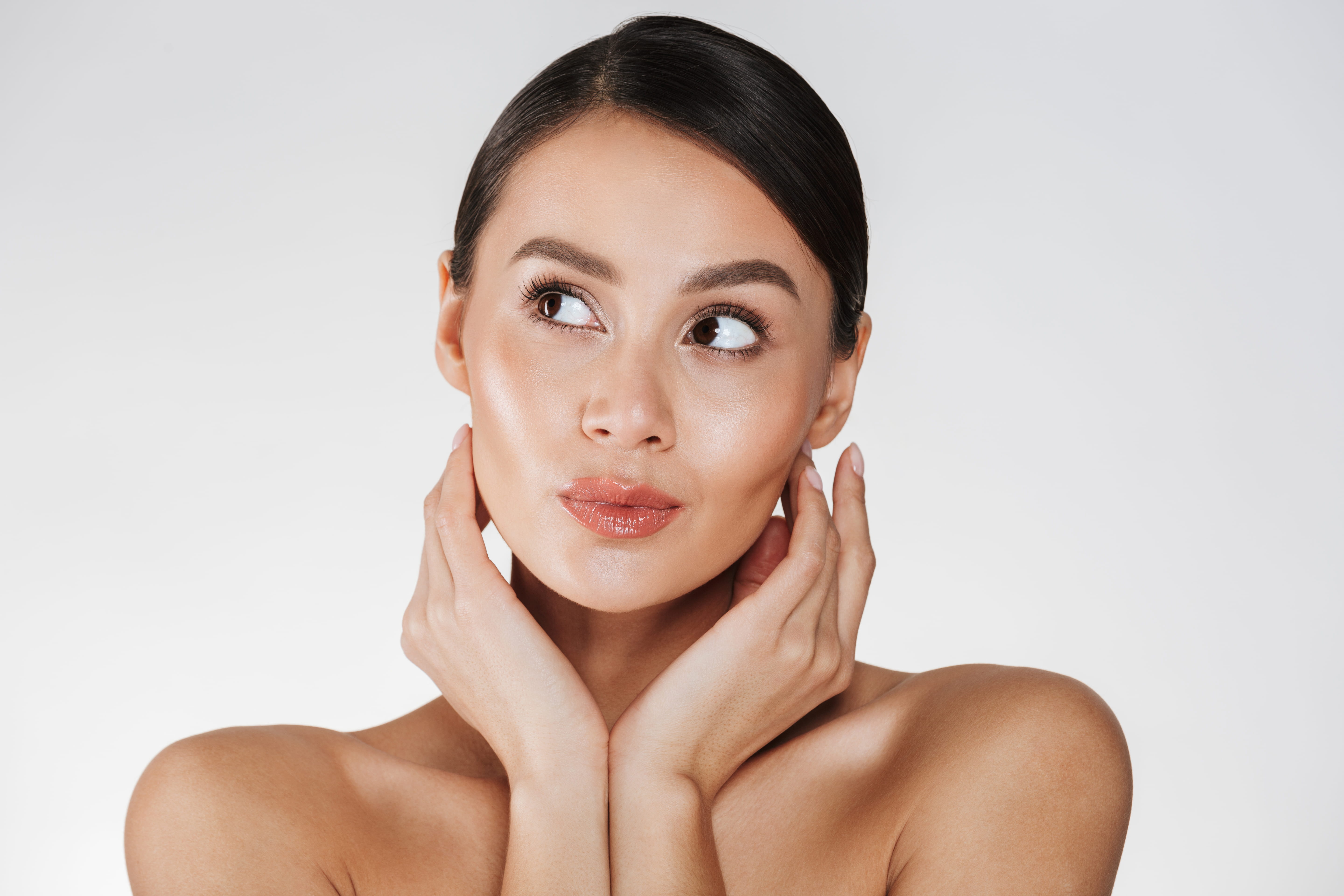
Here's a number that says it all: non-surgical facial rejuvenation now accounts for 80% of all facial procedures. More people are choosing proactive, multi-treatment plans over reactive interventions. According to an AAFPRS trends report , there's a projected 19% increase nationwide, bringing the total volume of all facial procedures (surgical and non-surgical combined) to 1.6 million. The shift is huge. People are thinking about facial aesthetics differently now. Strategic maintenance and subtle enhancement over time, instead of waiting for dramatic aging to set in.
The North American non-surgical cosmetic market was valued at $12.19 billion in 2025 and is projected to reach $20.38 billion by 2034. The good news? Technology has caught up with demand. Treatments are more precise, results are more predictable, and downtime is minimal compared to surgery.
But with so many options out there (Botox, Dermal Fillers, Lasers, Ultherapy, Chemical Peels, Microneedling), finding the right combination takes more than a quick Google search. That's exactly what makes Bliss different : when it comes to injectables like Botox and Dermal Fillers, Bliss offers safety-first matching with board-certified plastic surgeons, transparent pricing, and someone in your corner through every single step.
Top Non-Surgical Facial Rejuvenation Options for 2026
Let's get into the good stuff. There are seven core non-surgical treatments worth knowing about in 2026: Neuromodulators (Botox), Dermal Fillers (hyaluronic acid, biostimulatory), Laser Skin Rejuvenation (fractional, ablative, non-ablative), IPL (Intense Pulsed Light), Ultherapy (focused ultrasound), Chemical Peels, and Microneedling. Each one targets specific concerns with real precision.
Neuromodulators (Botox) target dynamic wrinkles like forehead lines and crow's feet by relaxing the muscles that create them. Dermal Fillers address volume loss and contouring by restoring structure with hyaluronic acid or biostimulators. Laser Skin Rejuvenation improves texture, pigmentation, and collagen production using controlled light energy that stimulates your skin's natural healing process. IPL Treatments go after sun damage, redness, and uneven tone by targeting unwanted pigment beneath the surface. Ultherapy tackles skin laxity and lifting with focused ultrasound that tightens deep layers. Chemical Peels refresh dull, damaged skin by removing damaged cells through controlled exfoliation. And Microneedling works on scars, texture, and fine lines by creating micro-injuries that trigger collagen production.
Here's the thing: the magic isn't in any single treatment. It's in knowing which ones work together, which should be sequenced separately, and which combination actually matches your goals. That's where board-certified plastic surgeons come in. They evaluate your skin type, aging patterns, and aesthetic priorities to design a plan that delivers real, lasting results.
Dermal Fillers vs. Botox Guide: Choosing the Right Injectable
This is one of the most common questions we hear, and it's a great one. Botox relaxes muscles to smooth dynamic wrinkles, while Dermal Fillers restore volume to plump hollowed areas. Think of it this way: Botox temporarily softens the muscle activity behind forehead lines, crow's feet, and frown lines. Fillers add structure back to cheeks, lips, nasolabial folds, and under-eyes using hyaluronic acid.
Here's the quick breakdown:
- Neuromodulators (Botox): Target dynamic wrinkles in the forehead, crow's feet, and frown lines. Results last about 3–4 months, and the cost typically ranges from $300–$600 per treatment area.
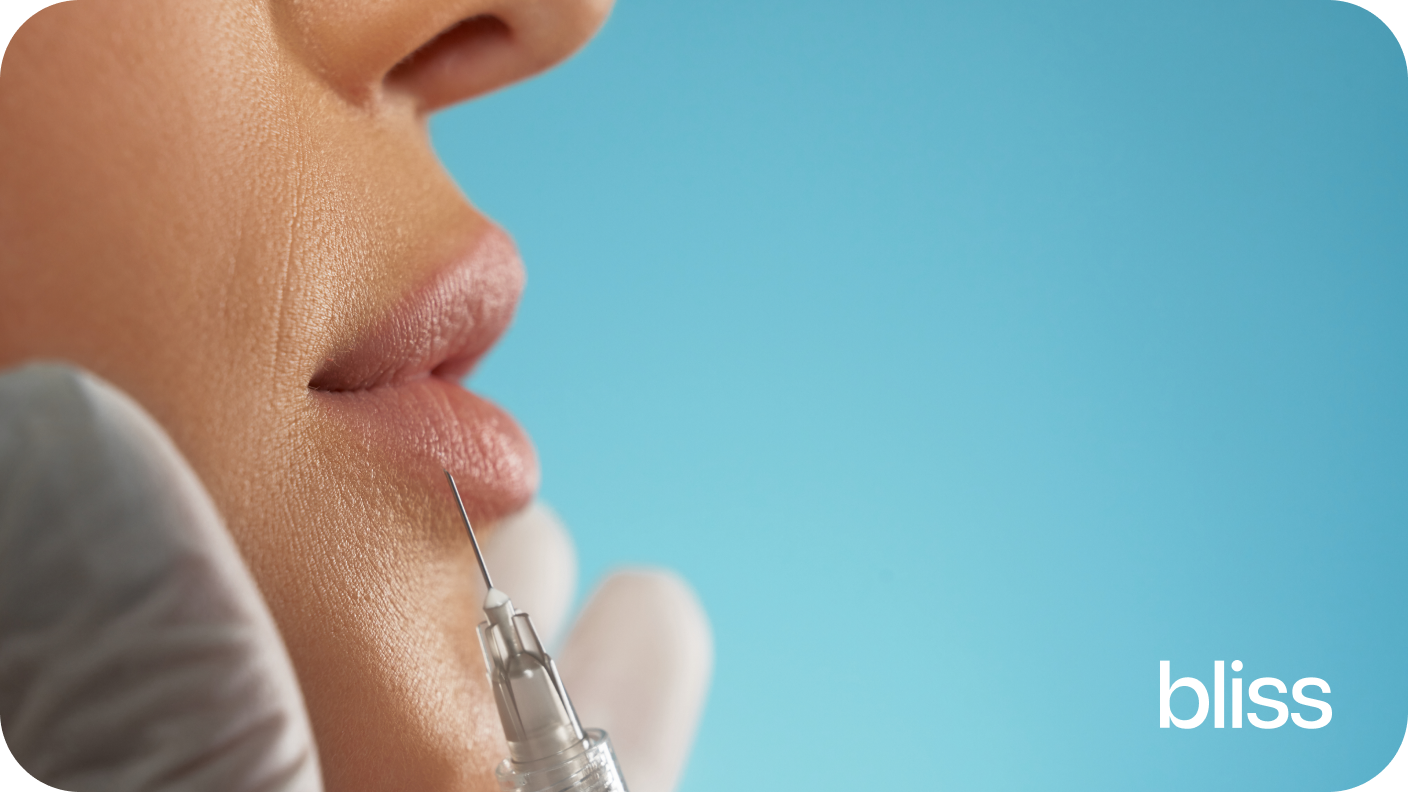
- Dermal Fillers: Target volume loss, lip enhancement, and contouring in cheeks, lips, nasolabial folds, and under-eyes. Results last 6–18 months, depending on the formulation, and cost ranges from $600–$1,000 per syringe.
Not all Fillers are created equal. Modern hyaluronic acid Fillers come in varying particle sizes. Some are built for deep structural support, while others smooth fine lines beautifully. Use the wrong one in the wrong place? That's how you get unnatural results.
This is where Bliss really shines. Your Care Advisor coordinates consultations with board-certified plastic surgeons who evaluate your unique anatomy and recommend the right injectable mix for you. They're looking at facial proportions, muscle movement patterns, skin thickness, and how your face changes when you smile or frown.
And here's a little secret: most people get both. Combining Botox and Fillers is incredibly common. Botox prevents new lines from forming, while Fillers address existing volume loss. It's a one-two punch that just works.
.jpg)
Energy-Based Treatments: Laser Skin Rejuvenation Benefits and Beyond
Energy-based devices are where things get exciting. These treatments use light and ultrasound energy to stimulate collagen production, target pigmentation, and tighten skin at specific depths.
IPL (Intense Pulsed Light) is a go-to for clearing pigmentation, redness, and sun damage. It targets unwanted pigment and broken capillaries beneath the surface. The light energy gets absorbed by melanin and hemoglobin, breaks it down, and your body naturally flushes it out.
Fractional Laser treatments take a different approach. They stimulate collagen by creating controlled micro-injuries that trigger your body's natural healing response. The laser creates thousands of tiny columns of heat in the skin while leaving surrounding tissue intact, so you heal faster and see results sooner.
Two main types to know about here: ablative and non-ablative. Ablative Lasers (like Fractional CO2) vaporize surface tissue and deliver dramatic results, but they require more downtime, usually 5–10 days of redness and peeling. Non-ablative Lasers? Way gentler. They work beneath the surface without removing any skin, so you're looking at mild redness for a day or two.
Then there's Ultherapy, a fan favorite for good reason. It uses focused ultrasound energy to target the same foundational layers that plastic surgeons address during surgical Facelifts, but without incisions or downtime. It sends precise energy deep beneath the surface to stimulate collagen production, creating a gradual lifting effect that builds over time. Most clients see full results around the 3–6 month mark as new collagen tightens things up.
Key Benefits of Energy-Based Treatments:
- Boost collagen production for improved skin texture and firmness
- Reduce pigmentation from sun damage and age spots
- Minimize pore size and refine overall skin tone
- Tighten skin without surgery or extended recovery
- Target specific concerns at precise depths
Not sure which one's right for you? A board-certified plastic surgeon can evaluate your skin type and goals to recommend the right energy-based technology, whether that's IPL for sun damage, Fractional Laser for texture, or Ultherapy for non-surgical tightening.
Skin Rejuvenation Procedures: Surface vs. Deep Renewal with Peels and Microneedling
Now let's talk about the treatments that give your skin that glow. These surface resurfacing options work differently than injectables or energy devices, and they're seriously effective. Chemical Peels remove damaged surface cells through controlled exfoliation, while Microneedling stimulates collagen in deeper layers without removing any surface tissue. Peels deliver that immediate fresh-faced reset: pigmentation correction, renewed brightness, and a visible glow by stripping away the outermost layers.
The depth of the peel determines results and downtime. Superficial peels (like glycolic or salicylic acid) cause mild flaking for a few days. Medium peels (like TCA) create more aggressive peeling for about a week. Deep peels (like phenol) require significant downtime but deliver dramatic resurfacing.
Microneedling takes a completely different route. Tiny needles create controlled micro-injuries that kick-start your body's natural repair process, building new collagen from within. The device creates thousands of microscopic channels in the skin, triggering a healing cascade that produces fresh collagen and elastin. Pretty cool, right?
Here's a stat worth noting: a clinical study found that 73.33% of Microneedling clients saw significant scar improvement compared to 33.33% for Chemical Peel clients (using 35% glycolic acid concentration), especially in deeper skin tones. That matters because Microneedling is generally safer for darker skin types since it skips the heat and chemical agents that can trigger post-inflammatory hyperpigmentation.
But here's the thing: both treatments work even better together. Research shows that combination protocols achieve ≥75% improvement in 40–50% of individuals versus ≤13% with single treatments. That's a massive difference, and it's exactly why board-certified surgeons assess your skin type to sequence treatments safely and maximize your results.
The typical protocol? Microneedling first to stimulate collagen, followed by a series of Chemical Peels to refine texture and tone. Or sometimes the reverse: a medium-depth peel to clear surface damage, followed by Microneedling to rebuild deeper structure.
Aesthetic Treatments Comparison: Surgical vs. Non-Surgical Rejuvenation
Let's have an honest conversation about this one. Non-surgical treatments are incredible for maintaining skin quality and restoring volume. They work beautifully for subtle enhancement, prevention, and keeping you looking refreshed. But they can't remove excess skin or reposition deeper facial structures the way surgery can.
So what's the real difference? Non-surgical treatments offer minimal downtime (usually just a few days), lower upfront costs per session, and the flexibility to try different approaches without permanent commitment. They're perfect for people in their 30s and 40s who want to maintain what they have or make subtle improvements. The trade-off? Results are temporary. Botox lasts 3–4 months. Fillers last 6–18 months.
On the other hand, surgical options like Eyelid Surgery (Blepharoplasty), Facelift, or Neck Lift deliver long-lasting results, often 10–15 years or more. They tackle structural issues like loose skin, deep jowls, and muscle laxity that non-surgical treatments simply can't fix. The trade-offs? Higher upfront cost (typically $5,000–$20,000 depending on the procedure), longer recovery (2–4 weeks for most facial surgeries), and the permanence of surgical changes.
Here's the honest take: non-surgical treatments can absolutely delay surgery, but they won't replace it if you have significant sagging or excess skin. A 50-year-old with loose jowls and a sagging neck won't get surgical-level results from Ultherapy or Fillers. Any provider who tells you otherwise isn't being straight with you.
That's why it's so important to work with board-certified plastic surgeons who perform both surgical and non-surgical treatments. You get truly unbiased comparisons, not upsells. When it comes to injectables, Bliss connects you with vetted surgeons, and your Care Advisor helps you figure out whether Botox, Fillers, or a combination will meet your expectations, or if surgery delivers better long-term value for your goals.
A lot of Bliss clients start with non-surgical treatments in their 30s and 40s, then transition to surgery in their 50s or 60s when maintenance alone isn't cutting it anymore. That's a smart, strategic approach, and we love helping people plan for the long game.
.jpg)
Why Provider Credentials Matter More Than Ever
This is the part we're most passionate about. Board-certified plastic surgeons are trained to prevent and manage serious complications like vascular occlusion, infection, and burns. That training is exactly why choosing an experienced, qualified provider matters more than anything else. Here's the frustrating reality: many med-spa chains prioritize volume over credentials, which increases the risk of complications for people who assume all providers are equally qualified.
Not all injectors are board-certified plastic surgeons. Some are nurses, physician assistants, or aestheticians working under minimal supervision. That's a big difference when something goes wrong.
Take vascular occlusion, which is when Filler accidentally blocks blood flow to tissue. It's a medical emergency that requires immediate recognition and treatment with hyaluronidase. Delayed treatment can lead to skin necrosis or even blindness. It's rare, but it happens. And when it does, you want someone who knows exactly how to respond. No hesitation.
That's why Bliss requires ABPS (American Board of Plastic Surgery) certification for every surgeon in the network, plus years of verified experience and a spotless disciplinary record. Because non-surgical does NOT mean risk-free. Your provider's expertise determines both your safety and the naturalness of your results.
When you're ready to explore injectables, your Care Advisor ensures you're matched with board-certified plastic surgeons, not generalists or technicians. Want to go deeper on vetting providers? Check out our guide on how to research plastic surgeons in 2026 .
Bottom line: credentials protect you. They ensure your provider has the training, experience, and emergency protocols to deliver safe results.
FAQs
How long do Dermal Fillers actually last?
- Great question. It depends on a few things. Hyaluronic acid Dermal Fillers typically last 6–18 months, depending on formulation, placement area, and your individual metabolism. Structural Fillers placed in cheeks or the jawline tend to stick around longer than those in lips or fine lines (less movement means more staying power). Biostimulatory Fillers like Sculptra take a completely different approach, stimulating your body's own collagen production to extend results even further. Your surgeon will recommend a personalized maintenance schedule based on your specific treatment plan.
Is Ultherapy painful?
- We'll be real with you. Ultherapy delivers focused ultrasound energy, which can cause brief discomfort or tingling during treatment. Most providers offer numbing cream or oral pain relief to keep you comfortable. The good news? It's temporary, and the procedure requires zero downtime afterward. You can literally go about your day.
Can I combine Botox and Lasers in one visit?
- Yes, but sequencing matters for safety. If performed on the same day, Laser Treatments should be done first, followed by Botox. Alternatively, schedule Botox 1–2 weeks after your Laser Treatment to avoid any interference. Your board-certified surgeon can help you map out the right timeline so everything flows in the right order.
What is the downtime for Fractional Lasers?
- Expect about 3–10 days of downtime, depending on the depth and intensity of treatment. Fractional CO2 Lasers involve redness, peeling, and some social downtime, while non-ablative Fractional Lasers are way gentler. Think mild redness with minimal peeling. Bottom line: Laser downtime is significantly shorter than surgical recovery, but you'll still want to plan around work and events.
How do I finance maintenance treatments?
- For injectable treatments like Botox and Fillers, Bliss offers flexible financing options with a best-price guarantee across the network, because looking your best shouldn't break the bank. Your Care Advisor can help structure a payment plan that actually fits your budget.
What's next: Ready to take the first step? Get matched with a board-certified provider and start building a personalized treatment plan that's all about you.
Getting Started with Your Personalized Rejuvenation Plan
Ready to make it happen? If injectables are part of your plan, get matched with a board-certified plastic surgeon through Bliss. It's an easy first step, and Bliss's SmartMatch algorithm does the heavy lifting, connecting you with surgeons who specialize in Botox, Dermal Fillers, and injectable treatments tailored to your goals and anatomy.
Here's how it works:
- You answer a few quick questions about what you want to address: forehead lines, volume loss, contouring, you name it.
- The algorithm matches you with board-certified plastic surgeons in Bliss's vetted network who specialize in injectable treatments.
- Your Care Advisor coordinates consultations, financing, and scheduling for your injectable treatments so you can focus on results, not logistics.
If you're managing GLP-1-related volume loss alongside your aesthetic goals, our guide on combining GLP-1s with aesthetic treatments is a great next read. No matter what you're exploring, Bliss is here to make the journey as beautiful as the destination, with safety and credentialing always front and center.
FEATURE OF THE WEEK

Subscribe for cosmetic insights.
Get the latest in aesthetic innovation, support, and self-love straight to your inbox.




Lorem ipsum dolor sit amet, consectetur adipiscing elit. Suspendisse varius enim in eros elementum tristique. Duis cursus, mi quis viverra ornare, eros dolor interdum nulla, ut commodo diam libero vitae erat. Aenean faucibus nibh et justo cursus id rutrum lorem imperdiet. Nunc ut sem vitae risus tristique posuere. uis cursus, mi quis viverra ornare, eros dolor interdum nulla, ut commodo diam libero vitae erat. Aenean faucibus nibh et justo cursus id rutrum lorem imperdiet. Nunc ut sem vitae risus tristique posuere.
DeleteLorem ipsum dolor sit amet, consectetur adipiscing elit. Suspendisse varius enim in eros elementum tristique. Duis cursus, mi quis viverra ornare, eros dolor interdum nulla, ut commodo diam libero vitae erat. Aenean faucibus nibh et justo cursus id rutrum lorem imperdiet. Nunc ut sem vitae risus tristique posuere. uis cursus, mi quis viverra ornare, eros dolor interdum nulla, ut commodo diam libero vitae erat. Aenean faucibus nibh et justo cursus id rutrum lorem imperdiet. Nunc ut sem vitae risus tristique posuere.
Delete